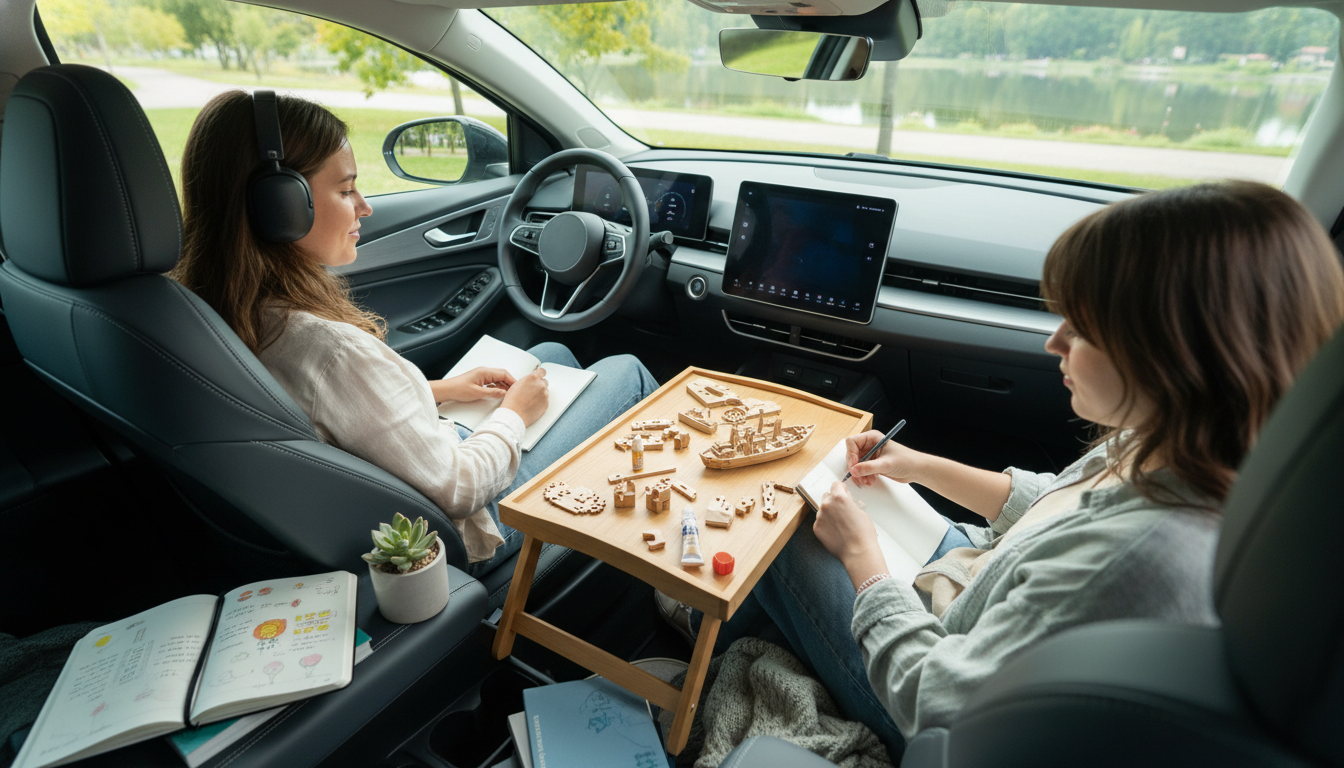
The best hobbies for mental health are the ones that reliably lower stress, build a sense of progress, and fit into real life without creating pressure. Many people do best with a mix of calming activities (to reset the nervous system) and engaging activities (to create meaning, connection, and momentum). The goal is consistency, not intensity.
Creative outlets help process feelings and shift attention away from rumination. Try drawing, journaling, knitting, scrapbooking, baking, photography, or playing an instrument. These hobbies provide a “flow” state—focused, absorbed time that can quiet anxious thoughts and lift mood.
Gentle movement supports sleep, reduces tension, and improves overall mood. Walking, yoga, swimming, cycling, dancing, or beginner strength training are strong options. If motivation is low, choose a “minimum viable” version—like a 10-minute walk after dinner—and let it grow naturally.
Mindfulness doesn’t have to mean formal meditation. Gardening, puzzles, adult coloring, calligraphy, or slow cooking can be meditative because they anchor attention in the present moment. These are especially helpful when the mind feels busy or overstimulated.
Loneliness can worsen stress and low mood, so hobbies that include other people can be powerful. Consider a book club, recreational sports league, volunteering, group classes, or a hobby meet-up. Low-pressure social time often improves resilience and perspective.
Pick something that matches energy levels and schedule, not an idealized version of life. Start small, set a recurring time, and remove friction (keep supplies visible, choose nearby locations, or do a shorter session). For a longer list of ideas and simple routines, visit this guide to hobbies for mental health.
Choose an option that takes 5–10 minutes and requires almost no setup, like stretching, a short walk, a simple sketch, or one journal page. Keep expectations low and focus on showing up consistently rather than doing it perfectly.









Leave a comment