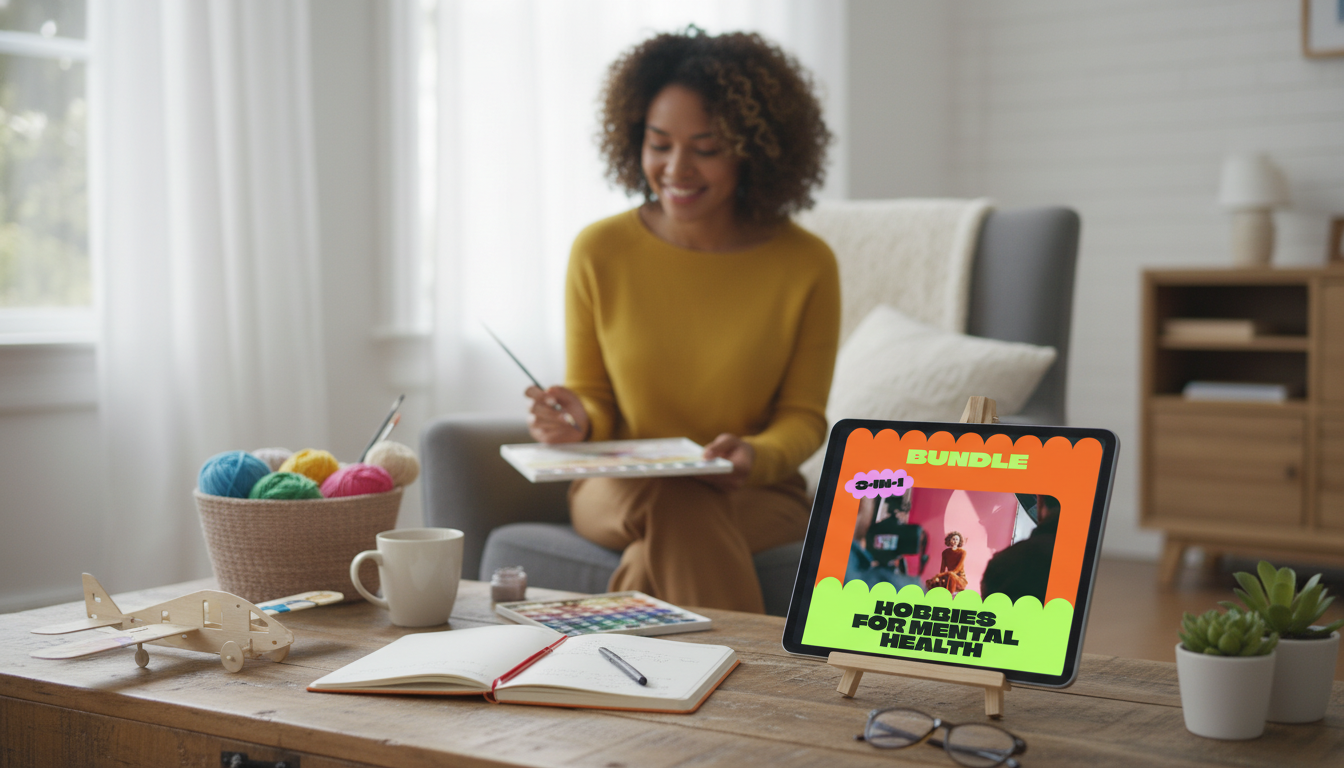
Hobbies can steady mood, lower everyday stress, and build confidence through small, repeatable wins. The most helpful choices are realistic for your schedule, match your energy level, and create a sense of progress you can actually feel. Below are hobby types that commonly support mental health, how to choose what fits right now, and a simple way to turn good intentions into a routine that lasts.
When life feels busy or emotionally heavy, a well-chosen hobby can act like a reset button—without requiring a huge lifestyle overhaul.
For additional evidence-based guidance on stress and coping, see resources from the American Psychological Association and the National Institute of Mental Health.
The “best” hobby is usually the one you can do consistently with your current energy, time, and access. A smart approach is to keep a short menu of options—one that restores you when you’re tired and one that energizes you when you feel restless.
| Hobby type | Best for | Low-barrier starting point | Tip to make it stick |
|---|---|---|---|
| Gentle movement | Stress reduction, better sleep, steady mood | 10-minute walk after a meal | Tie it to an existing routine (after lunch, after work) |
| Creative practice | Processing emotions, self-expression, flow | One-page doodle or 5-line journal entry | Keep supplies visible and ready |
| Mindful focus | Reduced rumination, improved attention | Puzzle, coloring, simple breath-counting | Use a timer (5–15 minutes) to lower resistance |
| Social connection | Belonging, accountability, positive feedback | One meetup or class trial | Pick a recurring event on the calendar |
| Learning a skill | Confidence, growth mindset, motivation | Micro-lessons (10 minutes/day) | Track streaks or milestones, not perfection |
Mental hobbies are activities that primarily engage attention, memory, reasoning, or creativity. They’re especially helpful when you want a break from passive scrolling and a gentle way to “wake up” focus.
If you notice a mental hobby becoming stressful, add recovery supports: water nearby, short breaks, and a stopping point that feels satisfying (not exhausting).
Different weeks require different tools. Matching a hobby to your real constraints makes consistency far more likely.
Structure helps hobbies support mental health because it removes daily decision fatigue. Keep it simple:
If you like the idea of hobbies but struggle to keep momentum, a guided structure can help. Hobbies for Mental Health to Boost Your Well-Being – 3-in-1 Bundle for Personal Growth is designed to help turn interest into a repeatable routine with clear steps and guidance.
For complementary support in everyday stress management, How to Tell if Your Cat is Stressed: The Ultimate Guide to Understanding and Reducing Cat Stress can be useful if caregiving for a pet is part of your daily load. If your well-being plan includes more social outings, Concert Outfit Cheat Sheet: Your Ultimate Guide to What to Wear to a Concert can reduce last-minute decision stress so you can focus on enjoying the experience.
Movement, creativity, time in nature, social connection, and skill-building hobbies are strong choices because they reduce stress and build confidence over time. The best fit depends on your current energy and schedule, so start small and prioritize consistency.
Mental hobbies are activities that engage attention, memory, reasoning, or creativity—like puzzles, chess, reading, writing, or language learning. They can improve focus and offer a healthy break from passive screen time.








Leave a comment