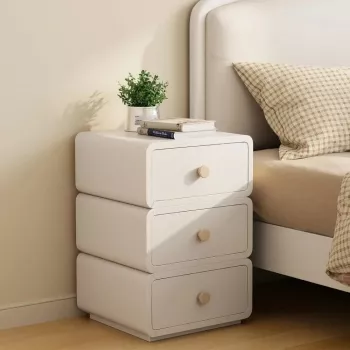
Solid wood furniture is valued for its natural look, strength, and longevity, but it isn’t always the easiest choice for every home. Before buying, it helps to weigh a few practical downsides that can affect budget, maintenance, and day-to-day use.
Compared with veneered, engineered, or flat-pack alternatives, solid wood pieces often cost more. The price reflects the material itself, the labor involved in joinery and finishing, and the fact that quality boards are selected and milled for stability and appearance.
Solid wood furniture can be noticeably heavy. That makes delivery, carrying upstairs, rearranging a room, or moving to a new home more difficult. Weight is also a consideration for wall-mounted shelving or older floors that may flex.
Wood is hygroscopic, meaning it absorbs and releases moisture as the environment changes. In very dry winters or humid summers, solid wood can expand, contract, or slightly warp. Well-made furniture is built to accommodate this movement, but it can still lead to small gaps, sticking drawers, or hairline cracks if conditions swing dramatically.
Because it’s a natural material, solid wood can show dents, scratches, and water rings more readily than some synthetic surfaces. Many finishes are durable, but they still benefit from simple habits like using coasters, wiping spills quickly, and avoiding prolonged exposure to heat or direct sunlight. The upside is that solid wood can often be refinished or touched up instead of replaced.
Grain pattern, color, knots, and mineral streaks vary board to board. That uniqueness is a selling point for many shoppers, but it can be a disadvantage if a perfectly uniform look is the priority—especially when trying to match multiple pieces purchased at different times.
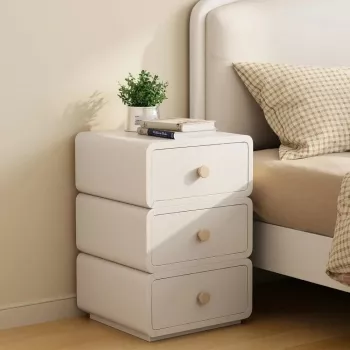
If you’re weighing finishes, durability details, and how construction choices affect daily use, see the guidance in this solid wood nightstand guide for practical context.
Keep it away from extreme heat and direct sunlight, use coasters or felt pads, and wipe spills promptly with a soft cloth. Maintaining steady indoor humidity helps reduce seasonal movement and sticking drawers.











Leave a comment