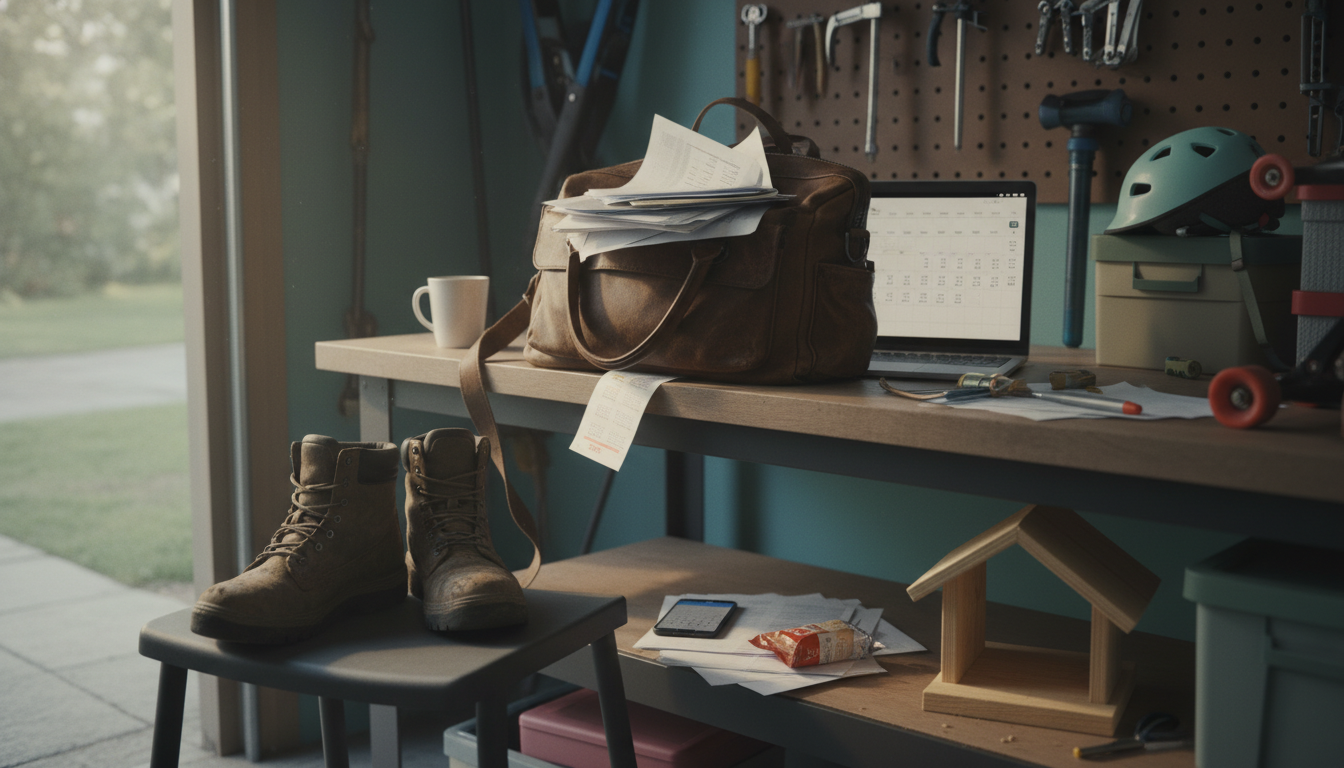
Normal work stress usually comes in waves: a deadline, a busy season, a tough project. Burnout is different—it’s what can happen when that pressure becomes chronic and starts changing how you function, think, and feel. The most reliable way to tell the difference is to look at duration, recovery, and impact on your day-to-day life.
With typical work stress, you may feel tense, busy, or overwhelmed, but you can still recover when the pressure eases. Sleep, a weekend, time off, or finishing a major task often helps you reset. You generally still care about outcomes and can access motivation, even if you’re temporarily frazzled.
Burnout commonly shows up as persistent emotional and physical exhaustion, a growing sense of cynicism or detachment, and feeling ineffective no matter how hard you try. Recovery stops working the way it used to: even after rest, you wake up depleted. You may dread work most days, struggle to concentrate, feel irritable or numb, or notice your performance slipping despite effort.
Ask a few practical questions: Are symptoms lasting weeks or months? Do breaks no longer help? Are you losing interest in work you used to handle fine? Are you feeling negative or disconnected from coworkers or customers? Are you relying on caffeine, scrolling, alcohol, or avoidance just to get through the day? If “yes” is becoming frequent, burnout is more likely than ordinary stress.
Start by reducing or renegotiating what’s unsustainable: workload, hours, unclear expectations, or nonstop availability. Build in real recovery (sleep, movement, meals, boundaries) and talk to a manager, HR, or a clinician if symptoms are intense or persistent—especially if you feel hopeless. For a deeper breakdown of signs and next steps, read the full guide here: https://azimuna.com/blog/how-do-i-know-if-i-m-experiencing-burnout-versus-normal-work-stress/.
Recovery varies, but it often takes weeks to months depending on how long the strain has lasted and whether the root causes (like workload, lack of control, or poor boundaries) change. Small self-care tweaks help, but meaningful improvement usually requires reducing chronic stressors and rebuilding consistent rest.












Leave a comment