Stay Warm Anywhere You Travel with a Smart Packing System
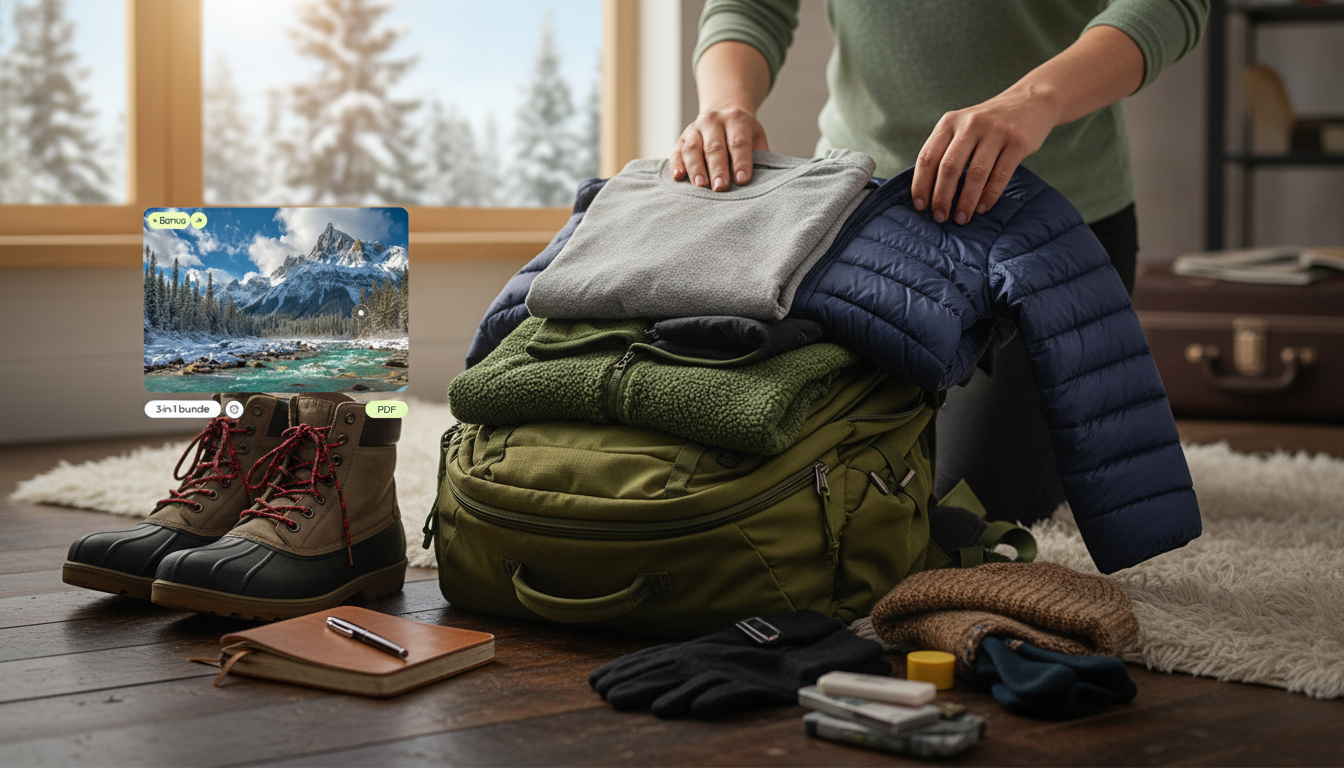
Cold-weather trips feel easier when every item has a job: keep heat in, manage sweat, block wind, and stay dry. A smart packing system organizes layers and accessories so warmth is adjustable from airport to alpine—without overpacking or forgetting the small items that make the biggest difference.
A smart packing system for cold climates
The easiest way to pack for winter travel is to stop thinking in outfits and start thinking in functions. When every piece has a purpose, you can mix and match for changing temps, wind, and activity levels.
- Pack by function, not by outfit: base layer (moisture control), mid layer (insulation), shell (wind/water protection), and “micro-gear” (hands, head, feet).
- Use a simple comfort rule: add a layer before you feel cold; remove a layer before you sweat. Sweat is the fast track to getting chilled later.
- Keep a “warmth core kit” accessible in your personal item: hat, gloves, buff/neck gaiter, and an extra dry base layer top.
- Choose fabrics that stay warm as conditions change: merino wool and synthetics beat cotton for base and mid layers because they keep insulating even when damp.
- Group items into modules (sleep, day outdoors, transit) so the right pieces come out at the right time—without unpacking your whole bag.
The winter travel packing list (layered and modular)
This list is built for repeatable packing: the same core items work across cities, mountains, and mixed indoor/outdoor days—just adjust warmth weights and quantities for trip length and laundry access.
Core layers and accessories
- Base layers: 2–3 tops and 2 bottoms (merino or synthetic), plus 1 spare set kept dry for emergencies.
- Mid layers: 1 lightweight fleece or grid fleece and 1 warmer insulating layer (down or synthetic puffy).
- Shell system: 1 waterproof/windproof jacket; add waterproof pants if expecting snow, slush, or long outdoor exposure.
- Accessories: insulated gloves or mittens + liner gloves, warm hat, neck gaiter/buff, and hand warmers if needed.
- Footwear: insulated or weatherproof boots suited to conditions; 3–5 pairs of wool socks; traction aids if ice is likely.
- Sleep and downtime: warm socks for indoors, a comfortable base layer to sleep in, and packable slippers if accommodations are cold.
- Health and safety: lip balm, moisturizer, sunscreen (snow glare), sunglasses/goggles, and a compact first-aid kit.
Cold-Climate Packing Checklist by Temperature Range
| Category |
Mild Cold (32–45°F / 0–7°C) |
Cold (15–31°F / -9–0°C) |
Very Cold (below 15°F / below -9°C) |
| Base layer |
1 set; prioritize breathability |
2 sets; add warmer weight |
2–3 sets; keep one dry in reserve |
| Mid layer |
Light fleece |
Fleece + packable insulated jacket |
Fleece + heavier insulation (down/synthetic) |
| Shell |
Windproof shell or rain shell |
Waterproof/windproof shell |
Waterproof/windproof shell + insulated pants or layering under shell pants |
| Hands/Head/Neck |
Hat + light gloves |
Hat + insulated gloves/mittens + buff |
Mittens (or insulated gloves + liners) + balaclava/buff; add hand warmers |
| Feet |
Wool socks + weatherproof shoes |
Wool socks + insulated boots |
Thicker wool socks (avoid tight fit) + insulated boots; consider traction aids |
How to stay warm without overpacking
Warmth doesn’t come from packing “more.” It comes from packing the right few pieces that work together—and knowing when to change them.
When wind is part of the forecast, treat it like a temperature drop. The NOAA wind chill chart is a practical reminder that a good windproof shell can matter as much as thicker insulation.
What to wear in transit vs. what to pack
Cold-weather mistakes that make travelers miserable
- Cotton base layers: once damp, they chill quickly; choose merino or synthetic next-to-skin layers instead.
- Overheating early: sweating during a walk or hike leads to chilling later; vent and peel layers proactively.
- Tight socks/boots: restricting circulation makes feet colder; keep sock and boot fit comfortable, not compressed.
- Ignoring wind: wind can cut through insulation; a proper windproof shell often matters more than thicker sweaters.
- Forgetting sun protection: snow reflection can burn skin and eyes even in low temperatures; the National Park Service winter safety guidance highlights practical cold-weather habits that reduce risk.
If conditions are harsh or remote, keep basic cold-risk awareness in mind. The CDC’s hypothermia information is a helpful reference for recognizing when “just cold” becomes a safety problem.
A ready-to-use system for packing and staying warm
Recommended travel resources (in stock)
FAQ
How many layers are needed for winter travel?
Most travelers do well with three: a moisture-managing base layer, an insulating mid layer, and a wind/water-blocking shell. Add a second mid layer or swap to a heavier puffy when you’ll be still for long periods, and scale down when you’re active to avoid sweating.
What should be packed for extreme cold without checking a bag?
Wear the bulkiest items (boots and your main outer layer), then pack compressible insulation and base layers. Prioritize accessories (hat, mittens/gloves, buff) and keep a dry base layer top and spare socks accessible in your personal item.
Is down or synthetic insulation better for cold, wet trips?
Down is hard to beat for warmth-to-weight in dry cold, while synthetic insulation is more forgiving when damp and dries faster. For wet snow or slush-heavy trips, a reliable waterproof shell helps protect either option and keeps the system working longer.
Recommended for you












Leave a comment