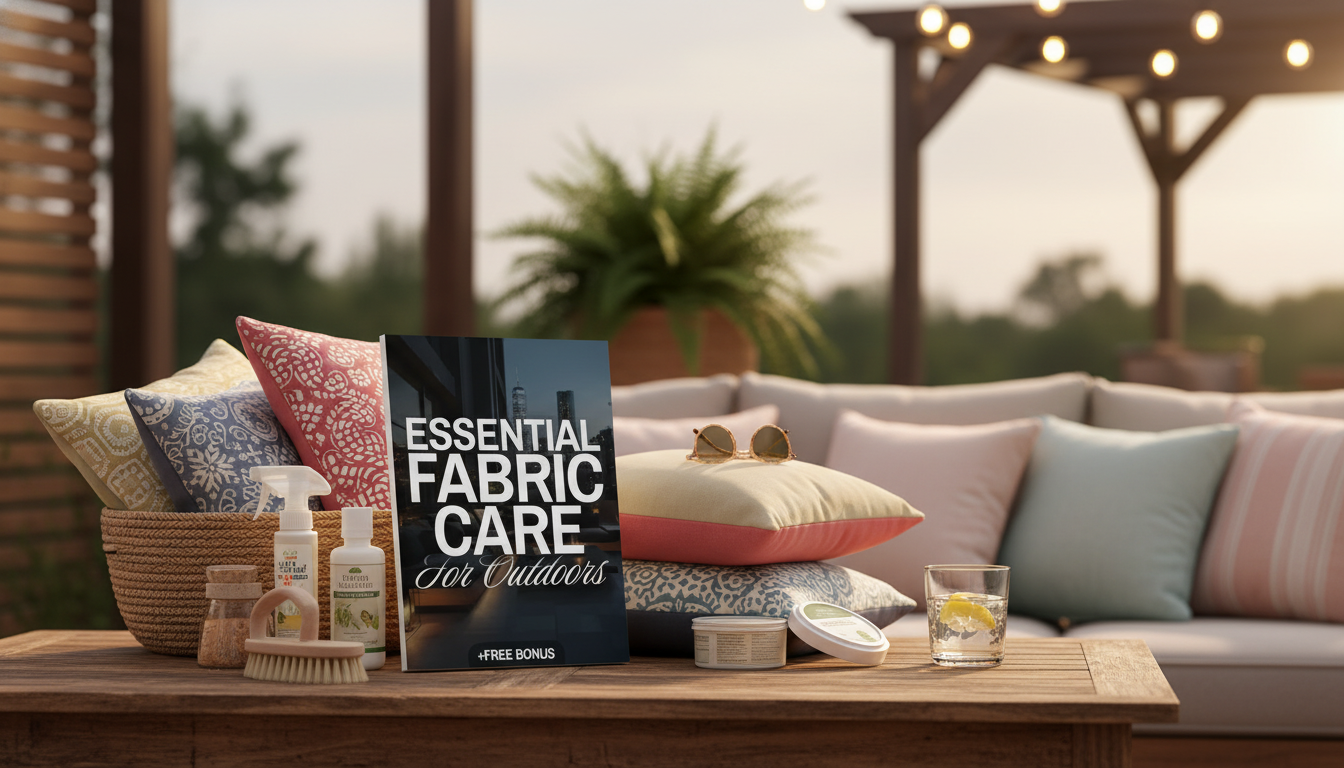
Outdoor textiles take a daily beating from sun, rain, pollen, body oils, food spills, and humidity. Without a simple routine, colors fade faster, fibers weaken, and “mystery” stains and mildew can set in along seams and piping. The good news: a few consistent habits keep cushions, umbrellas, awnings, and patio covers looking crisp while helping fabrics hold onto their comfort, strength, and water repellency.
Start with the care label (or the manufacturer’s online info) to confirm fiber type, whether the cover is removable, and whether any special finish is present. Many outdoor fabrics clean well with mild soap and water, but harsh chemicals and high heat can strip finishes or weaken fibers.
| Fabric type | Routine cleaning | What to avoid | Drying note |
|---|---|---|---|
| Solution-dyed acrylic | Brush off debris; mild soap + lukewarm water; rinse well | Bleach unless approved by maker; high heat drying | Air-dry fully; improve airflow to prevent mildew |
| Olefin (polypropylene) | Vacuum/brush; mild soap; rinse thoroughly | Oily cleaners that attract soil; abrasive scrub pads | Dries quickly; avoid storing damp |
| Polyester (outdoor-rated) | Mild detergent or soap; gentle scrub; rinse | Harsh solvents; concentrated bleach | Air-dry; keep out of direct intense heat |
| PVC-coated mesh/vinyl | Wipe with mild soap solution; rinse | Solvents (acetone), harsh abrasives | Towel-dry then air-dry; avoid trapping moisture |
Most “permanent” outdoor stains start as everyday dust, pollen, and skin oils that build up until the fabric looks dull and feels grimy. A quick routine keeps soils from bonding to the fibers.
Speed matters. The longer a spill sits, the more it migrates into the weave, padding, and seams.
Mildew isn’t just a cleaning problem—it’s a moisture management problem. Prioritize complete dry-out after rain, cleaning, or humid nights, especially in shaded corners where airflow is limited.
For broader mold safety basics, consult the U.S. Environmental Protection Agency mold cleanup guidance and the CDC overview on mold.
If you’re caring for solution-dyed acrylic, the Sunbrella Fabric Care and Cleaning Guide is a helpful reference point for general best practices.
If you’re looking for a dedicated indoor storage solution to keep seasonal textiles protected and organized, consider a closed cabinet option like the Modern Minimalist Ash Wood Wardrobe with Artistic Glass Sliding Doors for a clean, dry place away from garage humidity.
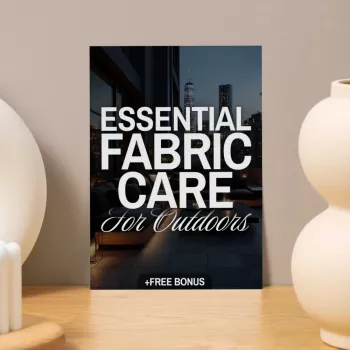
For a repeatable system you can keep on hand during spot-cleaning and seasonal resets, the Essential Fabric Care for Outdoors eBook (digital download) lays out step-by-step routines for cleaning, protecting, and maintaining weather-exposed textiles like patio cushions, umbrellas, and outdoor pillows.
Often, yes—when it’s diluted as a mild soap and used with gentle agitation, then rinsed extremely well to avoid residue that attracts dirt. Always spot-test first, and follow the manufacturer’s care label if it restricts certain soaps or finishes.
“Code 3” can mean different things depending on the brand’s label system, and it commonly points to a specific cleaning method (sometimes involving solvents or professional cleaning guidance). Check the manufacturer’s legend for that exact code and avoid guessing, since the wrong method can damage dyes or protective coatings.









Leave a comment