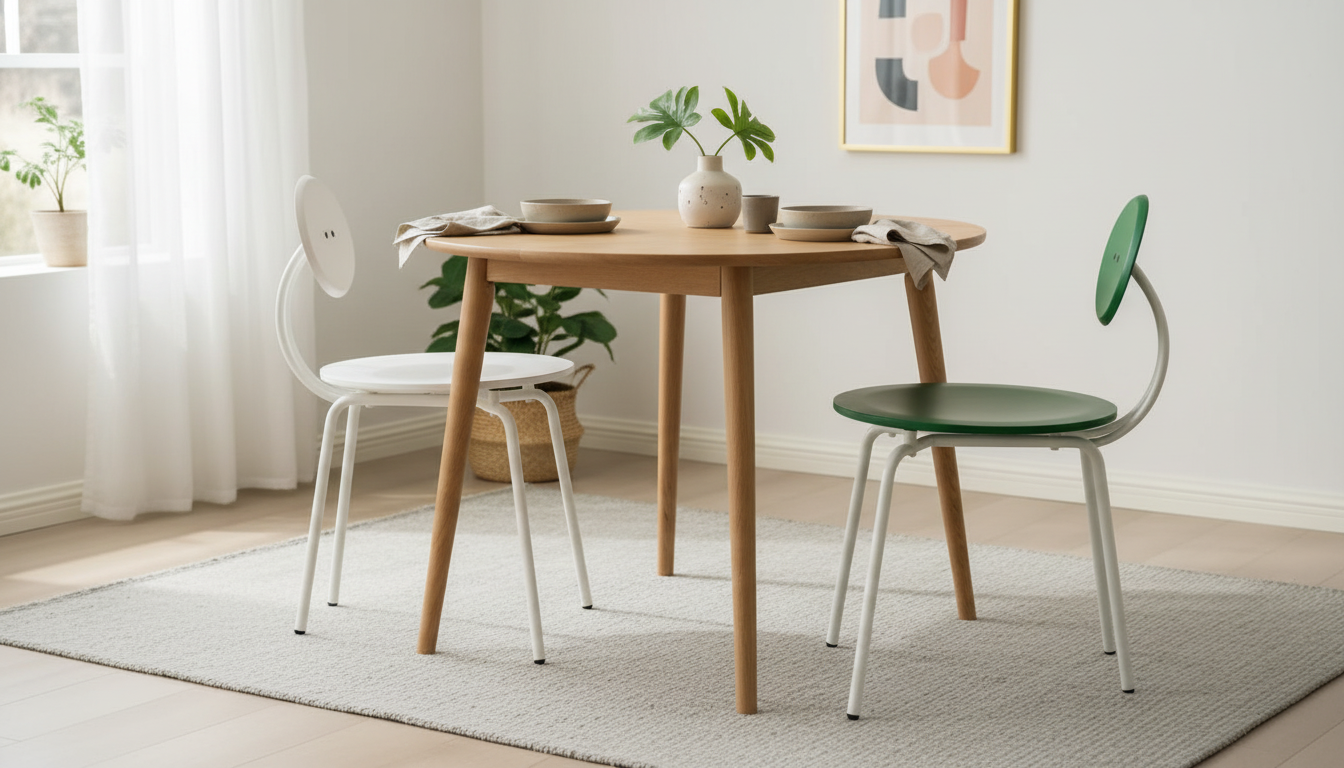
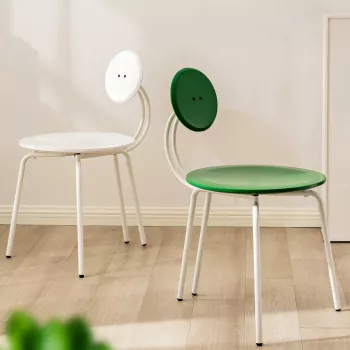
A dining chair can be more than a seat—it can set the mood of the entire room. The Nordic Retro Memphis Dining Chair blends clean Scandinavian-inspired lines with playful Memphis-era geometry, making it a strong choice for color-forward dining spaces, creative studios, or statement breakfast nooks. Use the guide below to evaluate comfort, materials, room fit, styling options, and care so the chair looks intentional and feels good for everyday meals and longer gatherings. For more guidance, see [PDF] March 2007 – Memphis University School – MUS Today.
This chair style lands in a sweet spot: it looks expressive without being chaotic. The Nordic influence shows up in calmer silhouettes, practical proportions, and a focus on daily usability—details that keep the chair from feeling like “decor only.” The Memphis influence brings bold visual rhythm through contrasting shapes, color blocking, and a graphic presence that reads as art in functional form. (For background on the movement, see Britannica’s overview of the Memphis Design movement.) For further reading, see Modern Design.
Why the combination feels balanced: the base form reads simple at a glance, while the accents create personality in the second look. That’s especially helpful in dining areas where you want a standout piece but still need the room to feel livable.
Before falling in love with a statement chair, run a fast “does it actually fit my life?” check. Confirm dining-table height compatibility (most dining chairs work with standard tables, but clearance is everything for comfort). Also check seat depth versus the table apron in tight layouts—deeper seats can bump into the table edge, making it harder to scoot in.
Plan walkway space so you can pull the chair out and pass behind it without squeezing. Visually, bold chairs can reduce the need for extra decor; in smaller or already-busy rooms, fewer statement pieces often looks cleaner. Finally, decide whether you want multiples or a single accent: one chair works well at the head of the table or as a desk chair, while a full set commits the room to the theme.
| What to check | Target range | Why it matters |
|---|---|---|
| Seat height vs. tabletop | Leave ~10–12 in (25–30 cm) from seat to tabletop | Supports relaxed arm position and comfortable eating posture |
| Chair width per place setting | 18–24 in (46–61 cm) per chair | Prevents crowding and clinking elbows |
| Clearance behind chair | At least 24 in (61 cm); 30–36 in (76–91 cm) for main walkways | Makes it easy to sit down and move around the table |
| Number of chairs for table length | Measure table length and divide by chair width + spacing | Ensures the set looks intentional and functions well |
| Visual scale | Match chair height/back presence to room size | Keeps statement design from overpowering small spaces |
For a deeper dive into sizing basics, Architectural Digest’s dining table size guide is a helpful reference point for clearances and comfortable spacing.
Memphis-inspired design can be practical—comfort mostly comes down to proportion and support, not whether the chair looks playful or minimal.
When a chair has strong visual character, small quality issues stand out more—so it pays to check the fundamentals. Look for consistent finishing at joints and corners, and pay attention to how the chair feels when lifted and repositioned. It should be easy to move without feeling flimsy; a good “in-between” weight is often the most pleasant for daily use.
If you’re building a cohesive modern interior beyond the dining area, consider pairing statement seating with streamlined storage like the Modern Minimalist Ash Wood Wardrobe with Artistic Glass Sliding Doors to keep the overall look clean, curated, and functional.
Yes, when the proportions are right. Focus on seat height, a supportive backrest, sensible cushioning firmness, and a stable base—statement design can still be practical for everyday use.
A full set creates the boldest look, while two statement chairs at the heads of the table balance personality with simplicity. For smaller rooms, one accent chair paired with quieter seating can keep the space feeling open.
Use felt pads or the right glides for your flooring type (wood, tile, vinyl, etc.). Replace pads regularly and make sure the chair sits level to reduce wobble and uneven wear.











Leave a comment