Stress is a normal survival response that helps cats react quickly to change or perceived danger. The trouble starts when that response becomes frequent, intense, or ongoing—because chronic stress can reshape behavior, weaken resilience, and create a cycle where small disruptions feel “big” to your cat.
Cats are also experts at masking vulnerability. Instead of obvious distress, you may see subtle shifts: a cat who no longer greets you at the door, a normally social cat who starts napping in hard-to-reach spots, or a gentle cat who suddenly swats during petting.
Stress doesn’t only live in behavior. It can show up across the body—digestive upset, urinary issues, skin and coat changes, sleep disruption, and reduced immune function. Catching stress early often prevents bigger problems later.
Use this quick scan to spot patterns. A single sign once in a while may be harmless; clusters of signs, or anything sudden and persistent, deserve closer attention.
| What you notice | What it can indicate | First steps at home |
|---|---|---|
| Hiding more than usual | Feeling unsafe; environmental change; conflict with another pet | Add quiet hiding spots; reduce noise; provide separate resources |
| Peeing outside the litter box | Stress, box aversion, territorial marking, or medical issue | Clean with enzymatic cleaner; add/relocate boxes; schedule vet check if sudden |
| Overgrooming/bald patches | Anxiety, pain, skin issues, parasites | Check for fleas; reduce triggers; vet visit if persistent or skin looks irritated |
| Sudden aggression | Fear, overstimulation, pain, redirected aggression | Give space; avoid punishment; identify triggers; vet evaluation if new |
| Not eating or eating very little | Stress, nausea, pain, dental issues | Offer familiar foods; keep routine; contact a vet promptly if >24 hours or lethargic |
Many cats don’t react to one single event—they react to a buildup. Common triggers include:
Some “stress” signs overlap with real medical problems, and the safest approach is to rule out pain or illness when changes are sudden, severe, or persistent. Seek veterinary help right away for urgent red flags: straining to urinate, frequent trips with little output, blood in urine, repeated vomiting, collapse, or severe lethargy.
Also treat reduced appetite seriously. Cats who stop eating are at risk for dangerous complications, so contact a veterinarian quickly if your cat is eating markedly less—especially if paired with hiding, vomiting, or low energy.
For additional guidance, these sources are widely used in feline care: American Association of Feline Practitioners (AAFP) – Feline Behavior Guidelines, International Cat Care – Stress in Cats, and Cornell Feline Health Center – Litter Box Problems.
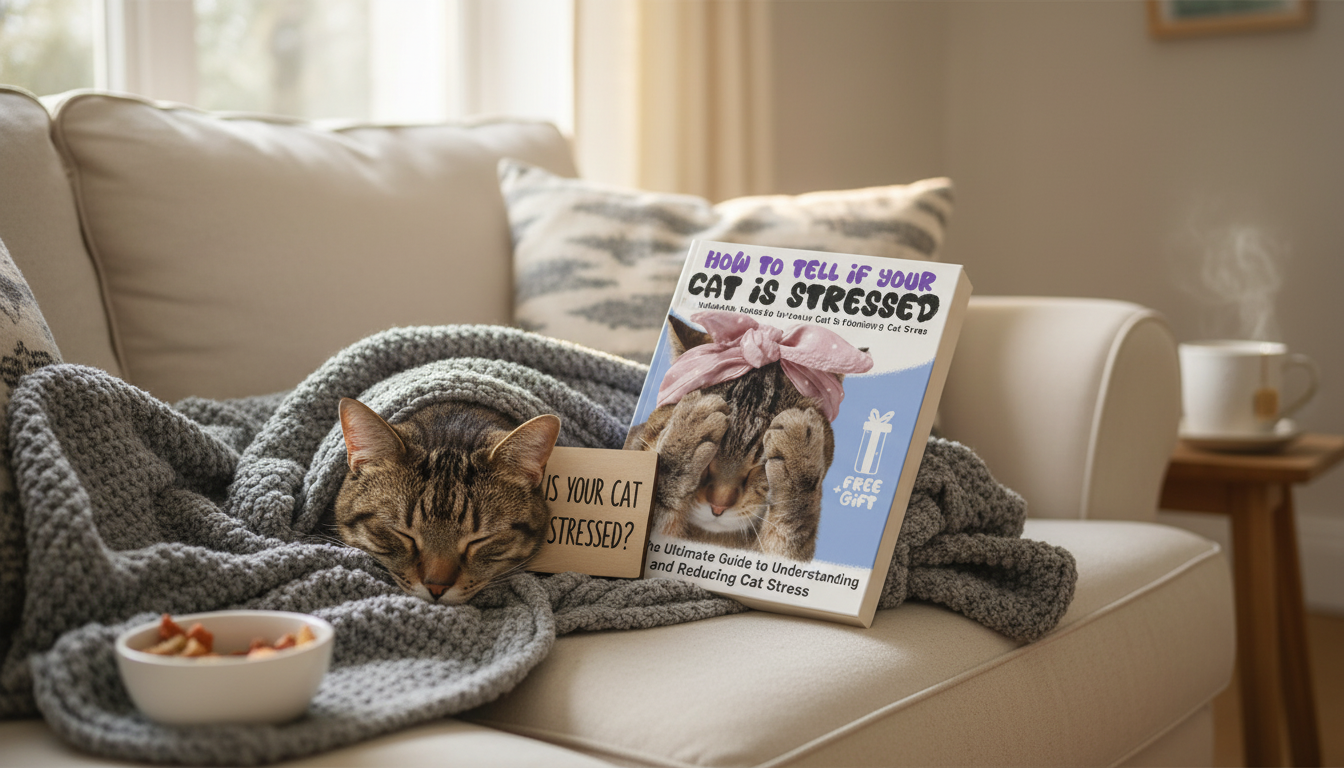
If you want a step-by-step approach with checklists and practical examples, consider How to Tell if Your Cat is Stressed: The Ultimate Guide to Understanding and Reducing Cat Stress. It’s designed to help you spot early warning signs, run a home audit, and follow calming strategies for common triggers like visitors, moves, and multi-cat tension.
For creators who document pet care routines or want to repurpose audio notes into readable content, Turn Podcasts Into Powerful Blog Content With AI – Step-By-Step Guide can help streamline your workflow.
Mild stress may ease within a few days once routine and safe spaces are restored. Bigger changes—like a move or a new pet—often take weeks, especially if resources and introductions aren’t consistent.
Yes, stress can trigger marking or litter box avoidance, but urinary tract problems are also common and can look similar. If the change is sudden, or you see straining, frequent small attempts, or blood, a vet check is urgent.
Give a quiet retreat, return to predictable routines, add hiding spots and vertical perches, and separate key resources (food, water, litter) across rooms—especially in multi-cat homes. Avoid punishment, which can increase fear and worsen the problem.













Leave a comment