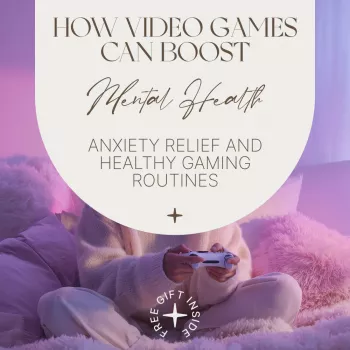
Video games can support mental well-being when used intentionally: they can sharpen attention and problem-solving, provide short-term stress relief, and create meaningful social connection. The key is matching game types to desired benefits and building routines that protect sleep, movement, and real-life responsibilities.
Healthy gaming isn’t defined by a single number of hours—it shows up in how well life works around play.
Stress itself isn’t the enemy; the goal is recovery. If gaming helps you downshift and then you return to life tasks more capable, it’s doing its job. For a broader view of how stress affects the body and mind, the American Psychological Association’s stress resources are a helpful reference.
Many games create repeated “micro-practice” opportunities—rapid decisions, pattern recognition, and flexible planning—that can support cognitive skills over time.
| Game type | Potential mental health/cognitive upside | Best used for | Watch-outs |
|---|---|---|---|
| Puzzle/logic | Working memory, persistence, cognitive flexibility | Quick resets between tasks; confidence building | Over-focusing late at night can delay sleep |
| Strategy/management | Planning, prioritization, delayed gratification | Building routines; stress inoculation through controlled challenge | Perfectionism loops; long sessions |
| Cozy/simulation | Relaxation, emotional regulation, autonomy | Wind-down routines; gentle focus | Can become avoidance if used all day |
| Co-op/social | Belonging, support, positive social contact | Connection during low-mood periods | Toxic chat; social fatigue |
| Rhythm/fitness | Mood lift, energy, mind–body coordination | Anxiety “shake-out”; activating depression days | Overexertion; volume-related fatigue |
Games can offer short-term relief from anxiety when they’re chosen and timed well. A small dose of the right experience can interrupt rumination and create a feeling of steadiness.
Research on games and well-being is active and nuanced; effects depend on context, community, and play patterns. For ongoing coverage of findings, see updates from the Oxford Internet Institute.
Social play can be a mood-protective factor when it supports belonging rather than stress.
Yes—short, planned sessions can calm anxiety by providing predictable rules, a sense of control, and a structured break from rumination. Low-arousal games and firm stop times help prevent relief from turning into avoidance, and persistent or severe anxiety may benefit from professional support.
Healthy gaming is the amount that doesn’t disrupt sleep, responsibilities, relationships, or basic self-care. Planned sessions (often 30–60 minutes), regular breaks, and avoiding late-night high-intensity play are practical guardrails—then adjust based on mood and sleep.
The best genre depends on the goal: cozy/simulation for relaxation, puzzles for focus, co-op for connection, and rhythm/fitness for energy. Competitive or high-arousal games can still be positive, but they’re more likely to spike stress if sessions run long or communities are toxic.










Leave a comment