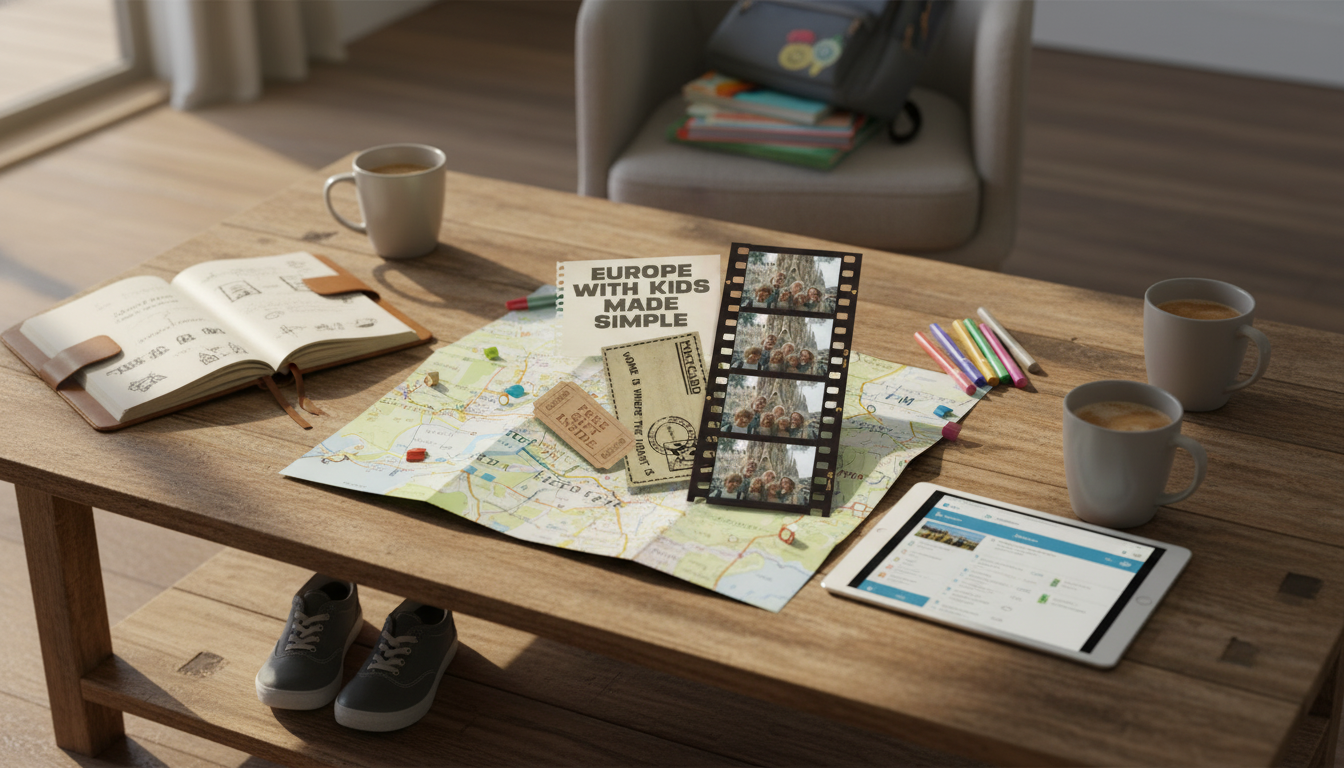
Planning a Europe trip with kids can feel like juggling flight times, naps, and must-see sights all at once. The easiest way to lower stress is to make a few high-impact decisions early—when to go, where to base, how to move around, what to pack, and how to keep each day flexible—so the trip feels calmer for adults and more fun for children.
Before looking at hotels or attraction tickets, set your “family travel operating system.” A little clarity here prevents overbooking and helps everyone enjoy the same day for different reasons.
Season choice affects everything: prices, crowds, heat tolerance, and how long you can stay outside before a snack emergency. Shoulder seasons (late spring and early fall) are often the sweet spot for families—pleasant weather, fewer crowds, and better availability.
Summer offers long daylight and beach time, but it comes with heavier crowds and heat. If summer is your only option, plan early starts, schedule a midday break, and book major attractions in advance. Winter can be magical for markets and city breaks, but short days and weather disruptions make indoor backup plans essential.
| Season | Pros for families | Common challenges | Best-fit trip types |
|---|---|---|---|
| Spring (shoulder) | Milder weather, fewer crowds, better availability | Occasional rain, variable temperatures | Cities + day trips, mixed itineraries |
| Summer (peak) | Long days, festivals, beach options | Crowds, heat, higher prices | Coasts, lakes, kid-focused attractions |
| Fall (shoulder) | Comfortable temps, calmer streets, good value | Earlier sunsets, some seasonal closures | Cities, countryside, food-focused travel |
| Winter (off-peak) | Lower costs, festive events in many cities | Cold, short days, transit disruptions | Holiday markets, museums, slower city breaks |
Also check school calendars and local holidays—big national weekends can cause sold-out trains and inflated room rates. For up-to-date entry and country guidance, consult Re-open EU and the U.S. Department of State.
Family travel goes smoother when the plan is structured, but not fragile. The goal is a trip that still works if someone gets tired, it rains, or the “best playground ever” becomes the highlight of the day.
For health guidance and destination-specific recommendations, check CDC Travelers’ Health.
| Timeline | Must-do tasks | Nice-to-have tasks |
|---|---|---|
| 8–12 weeks | Pick destinations and bases; verify passports; set budget | Draft a loose wish list per city |
| 6–8 weeks | Book stays; reserve timed attractions; outline transit | Pre-book one special family experience |
| 2–4 weeks | Confirm transport; plan rest days; finalize kid gear | Make a shortlist of parks and playgrounds |
| Week of | Offline maps; documents; meds; snacks for transit | Pack small surprise activities for travel days |
For 7–10 days, 1–2 home bases is usually plenty; for two weeks, 2–3 bases works well for many families. Minimizing one-night stays and keeping travel legs short makes the whole trip feel easier.
Trains often win for short-to-medium distances because they connect city centers with fewer hassles and more space. Flights can be worth it for very long distances, but plan extra time for airport transfers, security, and baggage logistics.
Book lodging, timed-entry attractions, and any popular trains that require reservations—especially in peak season. Leave flexibility for parks, neighborhoods, and casual meals so you can adjust based on weather and energy.












Leave a comment