Fluff & Shine: Brushing a Double-Coated Dog for a Healthy, Shiny Coat
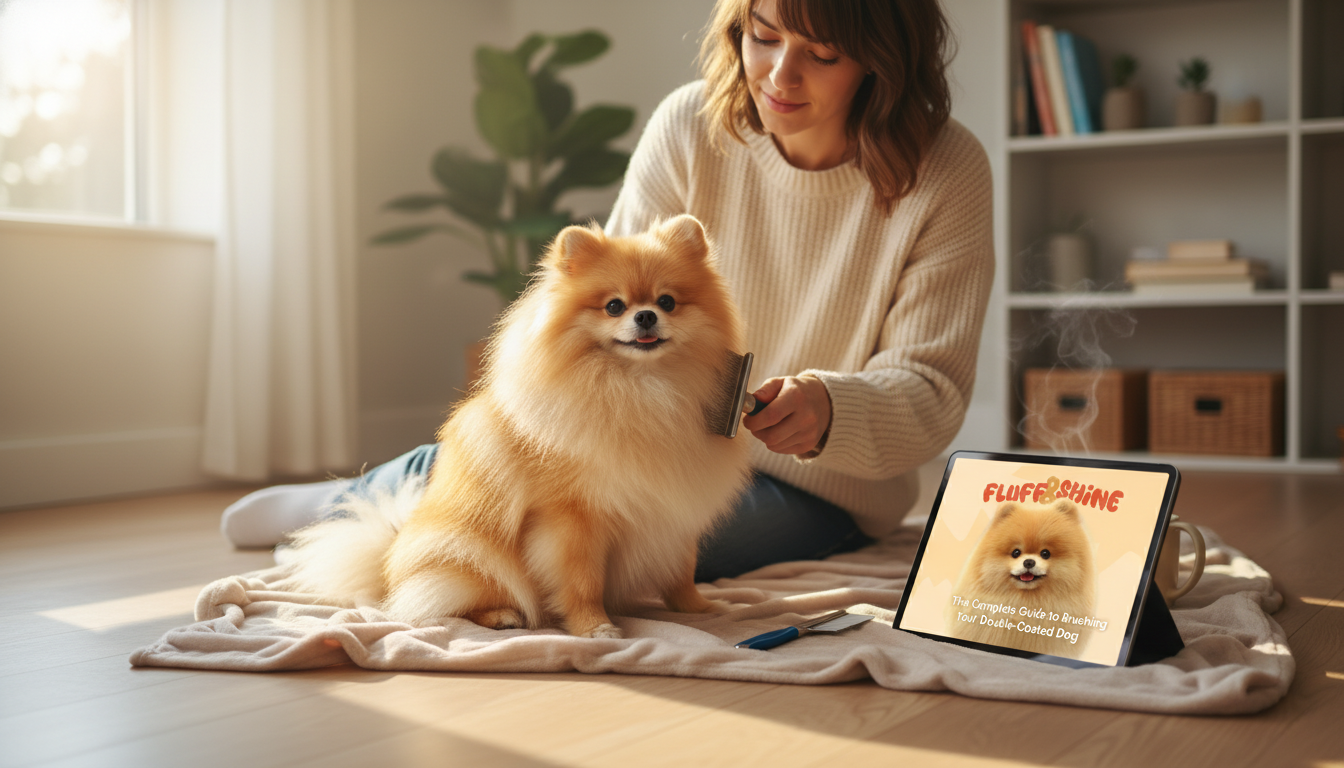
Double coats are built-in weather gear: a protective topcoat that helps repel moisture and dirt, plus a soft undercoat that insulates against heat and cold. The tradeoff is maintenance. Without the right brushing approach, loose undercoat can compact into mats, trap moisture against the skin, and leave the coat looking dull even after you “brushed.” With a few smart tools and a simple method, brushing becomes quicker, more comfortable for your dog, and far more effective at reducing shedding.
Double Coats 101: What You’re Brushing (and Why It Matters)
Most double-coated breeds (think Huskies, German Shepherds, Golden Retrievers, Samoyeds, and many mixes) have two distinct layers with different jobs:
- Topcoat (guard hairs): Longer, tougher hairs that repel dirt and moisture and create the coat’s color and shine.
- Undercoat: A dense, soft layer that insulates. In many breeds, it “blows” seasonally, releasing a huge amount of loose fluff in a short period.
Brushing isn’t just about aesthetics. The main goals are removing loose undercoat before it packs down, preventing hot spots from trapped moisture, distributing natural oils for a glossy finish, and catching skin issues early. Technique matters: aggressive raking, brushing too hard, or using the wrong tool daily can irritate skin, snap guard hairs, and sometimes make shedding feel worse over time. The American Kennel Club’s grooming guidance is a helpful baseline for coat care expectations across breeds (AKC – Dog Grooming and Coat Care).
Tools That Actually Help (and When to Use Each)
A small, well-chosen kit beats a drawer full of gadgets. These tools cover nearly every double-coat scenario:
- Slicker brush: Great for routine maintenance and light tangles. Pick a gentler pin density for sensitive dogs and use controlled strokes to avoid “brush burn.”
- Undercoat rake: Best during heavy shedding to lift loose undercoat. Use minimal pressure and short strokes; think “lift and release,” not “dig and drag.”
- Pin brush: A finishing brush for longer topcoats and feathering (legs, chest, tail) to help lay hair neatly.
- Metal comb: Your truth-teller. Use it to line-check for hidden mats and confirm you’ve brushed all the way to the skin.
- Detangling/conditioning spray: Reduces static and friction, especially in dry climates or heated indoor air.
- Grooming dryer (optional): A safe, pet-specific dryer can “blow out” loose coat after bathing and cut brushing time dramatically.
Brushing Frequency Guide (Adjust for Coat Density and Season)
| Dog & season |
How often to brush |
Main tools |
What to focus on |
| Medium double coat (normal season) |
2–3x per week |
Slicker + comb |
Loose coat, small tangles, skin check |
| Medium double coat (coat blow) |
Daily or every other day |
Undercoat rake + slicker + comb |
Undercoat lift-out, prevent compaction |
| Thick double coat (normal season) |
3–5x per week |
Slicker + comb |
Line-brush through to skin, friction areas |
| Thick double coat (coat blow) |
Daily |
Undercoat rake + comb |
Short sessions; work in sections; check for mats |
| Senior/sensitive skin |
Short sessions 2–4x per week |
Soft slicker + conditioning spray + comb |
Comfort-first; avoid over-raking |
Prep Before Brushing: Set Up for a Calm, Effective Session
Small setup choices can make brushing feel like a quick routine instead of a wrestling match:
- Pick the right place: Use a non-slip surface, good lighting, and a spot that’s easy to sweep or vacuum.
- Keep sessions short: Aim for 5–15 minutes. It’s better to do two short sessions than one long one that ends with stress.
- Check problem zones first: Behind the ears, collar line, armpits, belly, hips, and the base of the tail mat quickly.
- Light mist of conditioning spray: If the coat is dry or staticky, a quick spritz reduces friction and breakage.
- Reward calm behavior: Pause often, handle gently, and keep a predictable routine so your dog knows what’s coming next.
The Best Way to Brush a Double Coat: Line Brushing Step by Step
Line brushing is the method that prevents the “top layer looks fine” trap. It ensures you actually reach the undercoat without scraping skin.
If you notice persistent itching, odor, redness, or flaky skin, coat shine won’t improve until the underlying issue is addressed. A veterinary overview of common skin and coat problems can help you recognize when it’s time to get medical guidance (Merck Veterinary Manual – Skin and Coat Health).
Common Brushing Mistakes That Dull Shine or Cause Discomfort
Finishing Touches for a Cleaner, Shinier Look
- Finish with a pin brush (if coat length allows): This helps lay the topcoat neatly for that polished look.
- Quick wipe-down: A slightly damp cloth can lift surface dust and boost shine without over-bathing.
- Nail and paw check: Keeping nails trimmed and paw pads tidy improves comfort and stability during grooming.
- When to bathe: Bathe before a major de-shed or after heavy dirt. Use dog-specific shampoo and rinse extremely well to avoid residue that dulls the coat.
- When to call a pro: Tight mats, suspected skin infections, bald patches, or painful reactions to brushing deserve professional grooming or veterinary help. For general pet care guidance and when to seek help, see the ASPCA Pet Care resources.
A Simple Routine You Can Stick With
Helpful digital guides (in stock)
FAQ
Who is the owner of fluff cosmetics?
Fluff Cosmetics is a separate brand and isn’t connected to this dog-grooming guide. For the most accurate ownership details, check the brand’s official website, verified social profiles, or corporate registry listings where the company is registered.
Recommended for you









Leave a comment