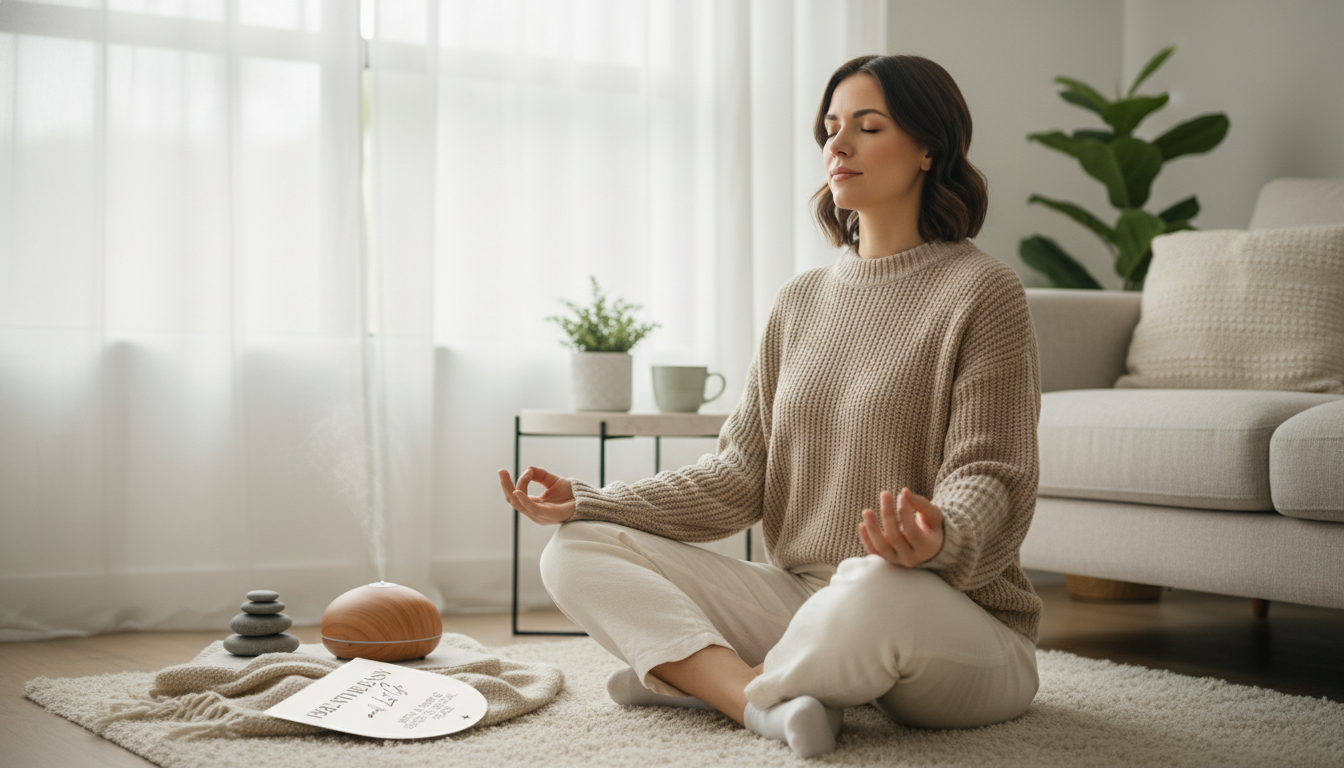
Stress can show up as racing thoughts, a tight chest, restless sleep, or a constant sense of urgency. A calmer mind often starts with small, repeatable practices that fit real schedules. This guide shares simple ways to release tension, reset your nervous system, and build steadier mental peace—plus an easy eBook that organizes the steps into a practical routine you can actually stick with.
Mental peace isn’t a permanent state of feeling “zen.” It’s more like having a reliable way back to center after life does what it does. Over time, calm shows up in observable, everyday shifts:
These changes are strongly connected to how the body processes stress. When your system is running “threat mode,” thinking clearly gets harder. Simple relaxation tools can help downshift that response (see guidance from the American Psychological Association and breathing notes from Harvard Health).
Fast resets work best when they’re truly small and repeatable—something you can do in a hallway, at your desk, or before you open the front door.
Inhale gently through your nose, then exhale a little longer than the inhale. That longer exhale is a simple “safety signal” to the body. Keep it soft—no forcing or gulping. Try 4 seconds in, 6–8 seconds out for a few cycles.
Name 5 things you see, 4 you feel, 3 you hear, 2 you smell, and 1 you taste. This gently pulls attention away from spirals and back into the present moment.
Stress often hides in “small” places: tongue pressed to the roof of the mouth, shoulders lifted, belly braced. Unclench the tongue, drop the shoulders, and soften the belly for 10–20 seconds. Many people notice an immediate drop in internal pressure.
Pause notifications for 10 minutes, or flip your phone face down. Constant pings train the nervous system to stay on alert. Even a short break reduces that background urgency.
Most people don’t need a complicated plan—they need a plan that feels doable on an average day. The routine below is intentionally short and flexible, and it stacks small wins so calm builds over time.
Avoid clock-watching. It tends to spike urgency. Instead, return to slow breathing or a short body scan (head to toe, noticing and softening tension). If stress is persistent, the NIMH coping guidance is a helpful baseline for daily support.
| Time available | Practice | Goal | When to use it |
|---|---|---|---|
| 1 minute | Long exhale breathing (exhale 2–4 seconds longer than inhale) | Downshift physical stress response | Before a meeting, after a stressful message |
| 2 minutes | 5-4-3-2-1 grounding | Interrupt rumination | When thoughts feel stuck or fast |
| 3 minutes | Neck/shoulder release + slow breathing | Reduce tension signals to the brain | After screen time or commuting |
| 5 minutes | Short body scan + “leave it for tomorrow” prompt | Close open stress loops | Evening wind-down |
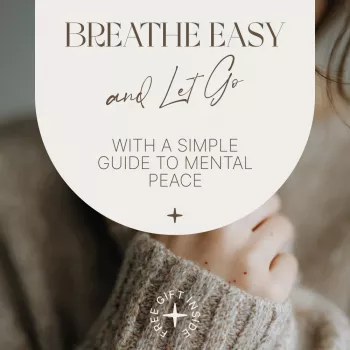
If it’s hard to remember techniques when you’re stressed, a simple structure helps. Breathe Easy and Let Go with a Simple Guide to Mental Peace – Mind Relaxing eBook for Stress Relief turns calming tools into a repeatable routine, with clear steps that stay approachable for beginners.
To make it practical: choose one “anchor” practice (like long-exhale breathing) and one “backup” practice (like grounding) for moments when breathing feels difficult.
These tools are especially useful when stress is frequent but you still need to function day to day.
Stress management can also be a whole-household topic. If you’re caring for a pet and noticing behavioral changes, How to Tell if Your Cat is Stressed: The Ultimate Guide to Understanding and Reducing Cat Stress can help you spot common signs and reduce environmental stressors—often making home feel calmer for everyone.
This guide and product are a stress-relief and mental peace eBook, not an insurance provider. If you’re checking an insurance company, verify legitimacy through your state insurance regulator and the company’s licensing details.
Quick techniques can lower tension in minutes, but longer-lasting change usually comes from daily repetition over about 2–4 weeks. Start with one short exercise you’ll actually do, then build from there.









Leave a comment