ChatGPT can help you narrow down your color season, but it can’t reliably determine it on its own the way a trained analyst (or a well-structured, visual draping process) can. Seasonal color analysis depends on subtle visual cues—undertone, contrast level, and how your skin reacts to different color temperatures—so accurate results usually require clear photos in consistent lighting and side-by-side comparisons of specific shades.
Where ChatGPT shines is translating what you observe into a likely direction. If you share your natural hair/eye color, how your skin behaves in warm vs. cool makeup, whether bright colors overwhelm you, and which neutrals make you look rested (cream vs. optic white, camel vs. charcoal), it can suggest a shortlist (for example, “Soft Autumn vs. Soft Summer”) and explain why.
To make ChatGPT’s guidance more useful, start with inputs that reduce guesswork:
Even with good photos, AI can misread:
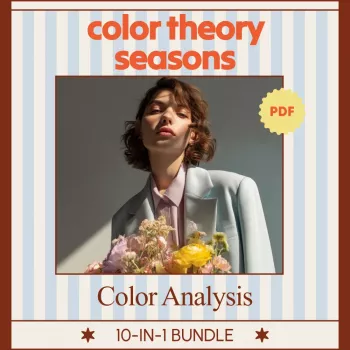
If you want a clearer, step-by-step method with targeted comparisons, use a structured seasonal analysis process you can repeat and verify. This guide walks through an easier way to identify your season and build a wearable palette: Seasonal Color Analysis Made Easy (10-in-1 Bundle).
Warm undertones typically harmonize with golden, peachy, or olive-leaning shades, while cool undertones tend to look clearer in rosy, bluish, or ashy tones. The fastest clue is whether cream and gold jewelry flatter you more than bright white and silver.









Leave a comment