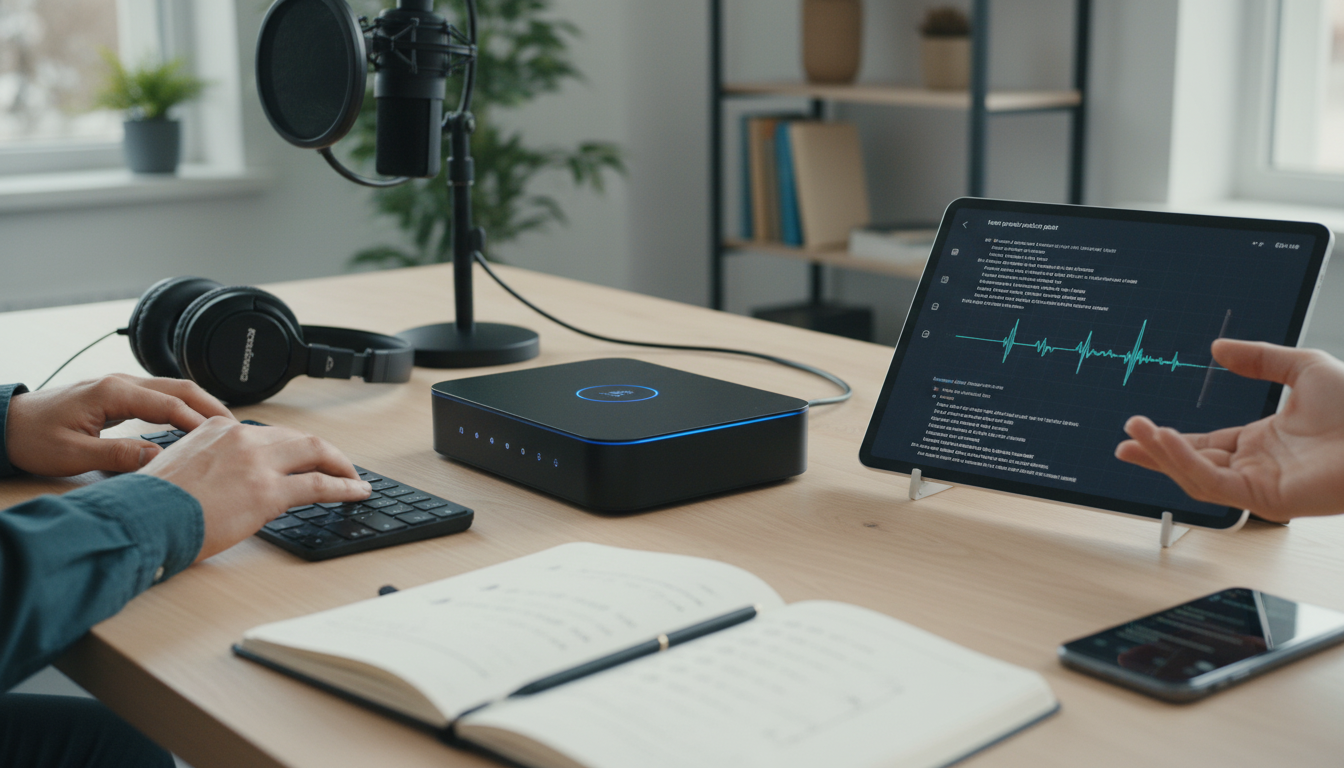
A single podcast episode can become a clear, skimmable blog post that reaches readers who prefer text. With the right workflow, AI helps turn audio into a structured draft while keeping the original voice, stories, and takeaways intact. The goal isn’t to copy-and-paste a transcript—it’s to translate a conversation into a reader-friendly format that feels intentional, accurate, and easy to act on.
Not every episode needs to become a blog post. The strongest candidates have one primary theme, a handful of supporting points, and a clear takeaway that can be summarized in a few lines.
Good input produces better output. A little audio prep reduces misheard names, mangled brand terms, and timestamps that drift.
If the episode references music, clips, or third-party audio, be mindful of usage rights. For a plain-English overview, the U.S. Copyright Office’s Copyright Basics is a solid starting point.
A transcript is a raw ingredient. Before turning it into a post, convert spoken language into readable language.
A helpful rule: keep the personality, cut the verbal scaffolding. “You know,” “kind of,” and “as I mentioned earlier” are natural in audio, but they dilute written clarity.
Outlines prevent the most common failure mode of podcast-to-post conversions: a wall of text that feels like a transcript with paragraph breaks. Use AI to identify structure, then confirm it matches what was actually said.
| Stage | Input | Output | Quality check |
|---|---|---|---|
| Audio prep | Episode file + notes | Clean, consistent audio | No clipped words; minimal background noise |
| Transcription | Clean audio | Raw transcript | Names, numbers, and brand terms corrected |
| Script cleanup | Raw transcript | Readable script | Filler removed; meaning preserved |
| Outline | Readable script | Headings + bullets | Single theme; logical flow |
| Draft | Outline + script | Blog post draft | Examples included; clear takeaways |
| Edit | Draft | Publish-ready post | Accurate claims; consistent voice; scannable formatting |
Once the outline is solid, drafting becomes mostly assembly: connect the dots, add transitions, and make each section stand alone for skimmers.
If you reuse community resources (images, icons, templates), licensing matters. The Creative Commons license overview can help you confirm what’s allowed and how to attribute correctly.
If you publish the podcast itself through RSS, it’s worth aligning your metadata and feed formatting with platform requirements. Google’s Podcast RSS guidelines can help prevent avoidable distribution issues.
For most episodes, 800–1,500 words is a practical range, depending on how many actionable points the conversation includes. The priority is sticking to one theme and using headings, bullets, and summaries rather than trying to capture every tangent.
Use AI to organize and clarify, then verify names, numbers, claims, and direct quotes against the original audio. Finish with a human edit pass and avoid adding new facts that weren’t actually said in the episode.
Often yes, but it depends on your release agreements and permissions. Attribute quotes clearly and avoid edits that change meaning or remove context; for specific situations, policies vary and legal advice may be needed.












Leave a comment