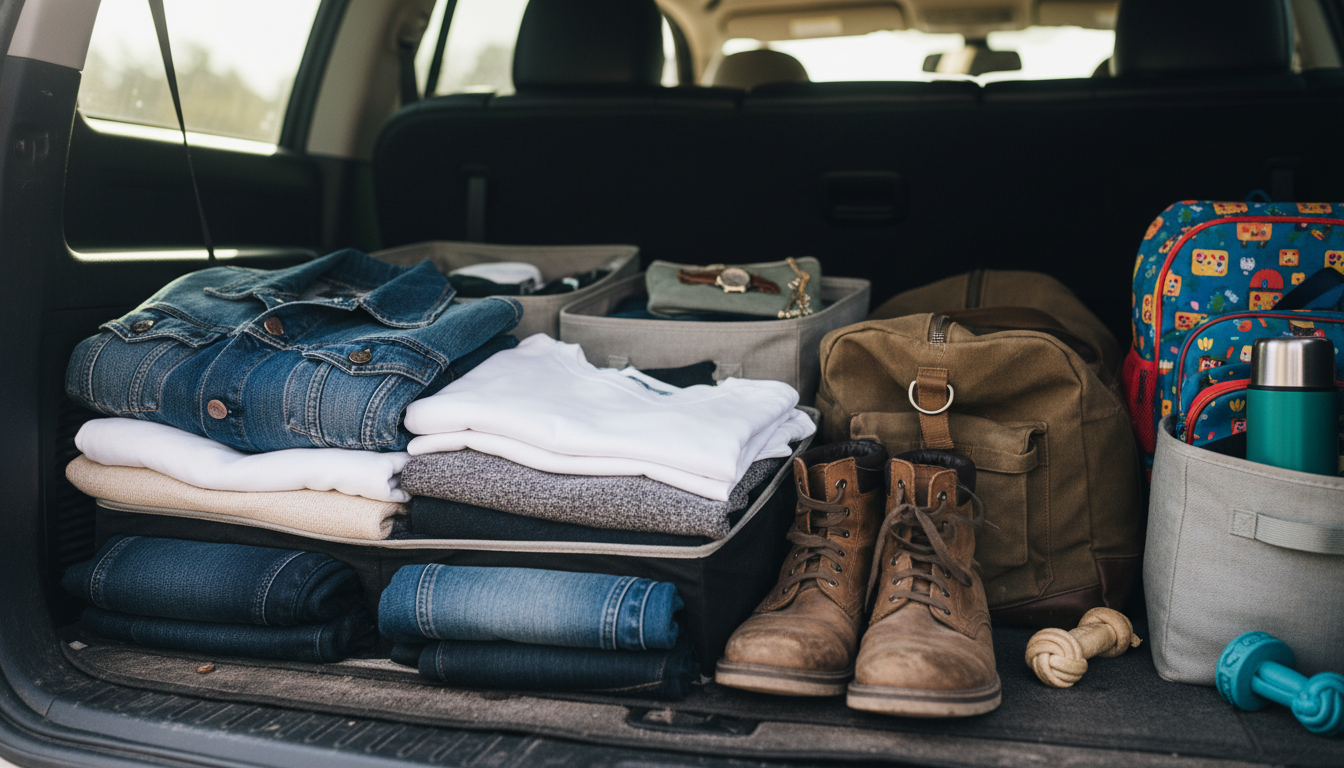
Your essential wardrobe is owned by you—full stop. Not a brand, not a trend cycle, and not the “right” way to dress. If the pieces in your closet support your life, fit your body comfortably, and make getting dressed easier, then they’re doing their job. Ownership here is less about who sold the items and more about who decides what stays, what goes, and how it all comes together.
Owning an essential wardrobe means having a clear point of view about your basics. You choose the color palette you reach for, the silhouettes that feel like you, and the level of polish that matches your everyday routine. Essentials aren’t a universal checklist; they’re a flexible foundation built around your climate, schedule, and comfort preferences.
A quick test: if you regularly wear the item without second-guessing it, it likely belongs in your core lineup. Pieces that constantly require “special” circumstances—specific shoes, extra tailoring, or the right mood—may be aspirational rather than essential. The goal is fewer decisions in the morning, not more.
If you’re keeping items because they’re expensive, trendy, or someone else likes them, reclaiming your essentials starts with editing. Identify your most-worn outfits, then work backward: which tops, bottoms, layers, and shoes show up repeatedly? Prioritize those categories first, then fill gaps intentionally rather than impulse-buying replacements.
The easiest way to “own” your essentials is to create repeatable outfit formulas—like a go-to jeans-and-knit combination or a simple work uniform—so each piece earns its place. For a practical framework and staple ideas that make outfits faster, see this guide to wardrobe staples and an easy outfit system.
Start with what you already wear most, then replace only what’s worn out or missing for complete outfits. Add one piece at a time and make sure it works with at least three items you own before keeping it.








Leave a comment