Best Outdoor Patio Furniture Picks Guide: Styles, Materials, and AI Patio Design Help
Outdoor furniture choices get easier when the space, climate, and daily use are clear. A patio that feels “tight” usually isn’t too small—it’s missing a plan for circulation, shade, and the right-size pieces. Below is a practical path for measuring and mapping your layout, choosing a style that fits your home, picking materials that last in your weather, and checking comfort details that matter after the first week. You’ll also find a simple AI-assisted workflow to visualize layouts before buying and a downloadable pick list to speed up decisions.
Start With the Space: Measure, Map, and Set Priorities
Before falling in love with a sectional or dining set, measure what you can actually use. The “usable footprint” is the patio minus door swings, grill clearance, planters, railings, and any must-keep zones (like a walkway to the gate).
- Measure the usable footprint: note doors that swing outward, steps, and where the grill lid opens.
- Pick the primary purpose: dining, lounging, conversation, poolside, or mixed zones.
- Plan circulation: keep comfortable walkways around chair backs and table edges so people aren’t shimmying through.
- Identify constraints early: HOA rules, storage limits, wind exposure, and sun/shade patterns throughout the day.
If the space needs to do double duty, sketch two “zones” even if they’re small: a compact dining bistro set plus two lounge chairs can outperform one oversized set that blocks traffic.
Pick a Style That Matches the Home and How the Patio Is Used
A cohesive patio doesn’t require matching everything. It needs repeatable cues—typically two or three elements such as frame color, wood tone, and a woven texture—so the space feels intentional.
- Modern/minimal: clean lines, neutral cushions, powder-coated aluminum frames; often ideal for smaller patios.
- Coastal/relaxed: light finishes, woven textures, slipcovered cushions; pairs well with umbrellas and shade sails.
- Traditional: warmer tones and classic slat or lattice details; commonly paired with larger dining sets.
- Resort-inspired: modular sectionals, chaises, and mixed materials; great for entertainment-first layouts.
- Keep it cohesive: repeat 2–3 elements across zones (frame color, wood tone, weave texture).
Style should follow function: if meals outdoors happen weekly, prioritize supportive upright seating and easy-clean surfaces, then layer in softness with cushions and textiles.
Materials That Hold Up: What Works Best in Sun, Rain, and Freeze
Quick material comparison
Outdoor Furniture Material Comparison
| Material |
Best For |
Watch For |
Maintenance Level |
| Powder-coated aluminum |
Humid/coastal areas, easy rearranging |
Thin tubing, chipped coating |
Low |
| Teak/hardwood |
Long-term durability, premium look |
Price, periodic oiling if retaining color |
Medium |
| All-weather wicker (resin) |
Comfort-first seating, layered texture |
Non-UV weave, weak inner frames |
Low–Medium |
| Steel/wrought iron |
Windy areas, classic styles |
Rust in wet climates, heavy to move |
Medium–High |
| Molded resin/plastic |
Budget seating, quick setup |
UV fading, brittleness over time |
Low |
- Aluminum: lightweight, rust-resistant, and low maintenance; prioritize thicker gauge frames and high-quality powder coating.
- Teak and other durable hardwoods: naturally weather-resistant; expect a silver-gray patina unless you maintain the original tone. If shopping for wood, responsible sourcing (like FSC certification) can be a helpful indicator.
- All-weather wicker (resin): comfortable and stylish; confirm UV-stabilized weave and a rust-resistant frame underneath.
- Steel and wrought iron: sturdy and wind-resistant; look for rust-proofing and plan for more upkeep in wet climates.
- Plastic/resin molded: budget-friendly and easy to move; check UV resistance to reduce fading and brittleness.
- Stone/concrete tabletops: stable and premium; confirm sealing requirements and be cautious in freeze-thaw regions.
Material claims vary by brand and testing method; standards bodies like ASTM publish references often used across outdoor product categories.
Comfort and Function Details That Matter After the First Week
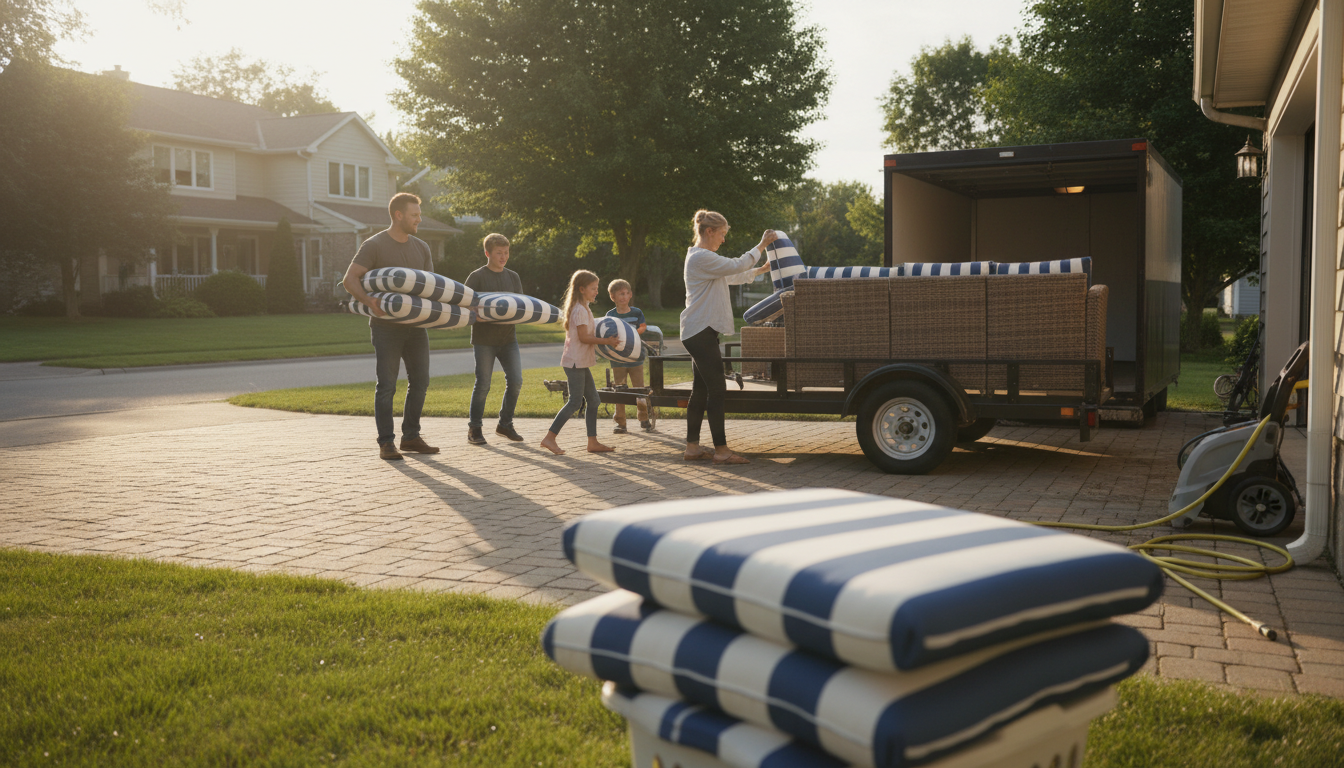
- Cushion quality: look for high-density foam and quick-dry fills; prioritize removable, washable covers.
- Seat depth and height: upright seating works best for dining; deeper seats fit lounging but can feel awkward for shorter guests.
- Dining practicality: choose easy-clean surfaces, stackable chairs, and a table size that supports serving and elbow room.
- Shade planning: check umbrella placement, cantilever base footprint, and the sun’s angle over the day. The EPA’s UV Index overview is a useful reference for understanding exposure patterns.
- Storage and covers: decide where cushions live during storms; breathable covers help reduce mildew.
AI Patio Design: A Simple Workflow to Visualize Layouts Before Buying
Buying Timing, Budget, and Value Checks
Downloadable Picks Guide: A Faster Way to Choose Sets, Styles, and Materials
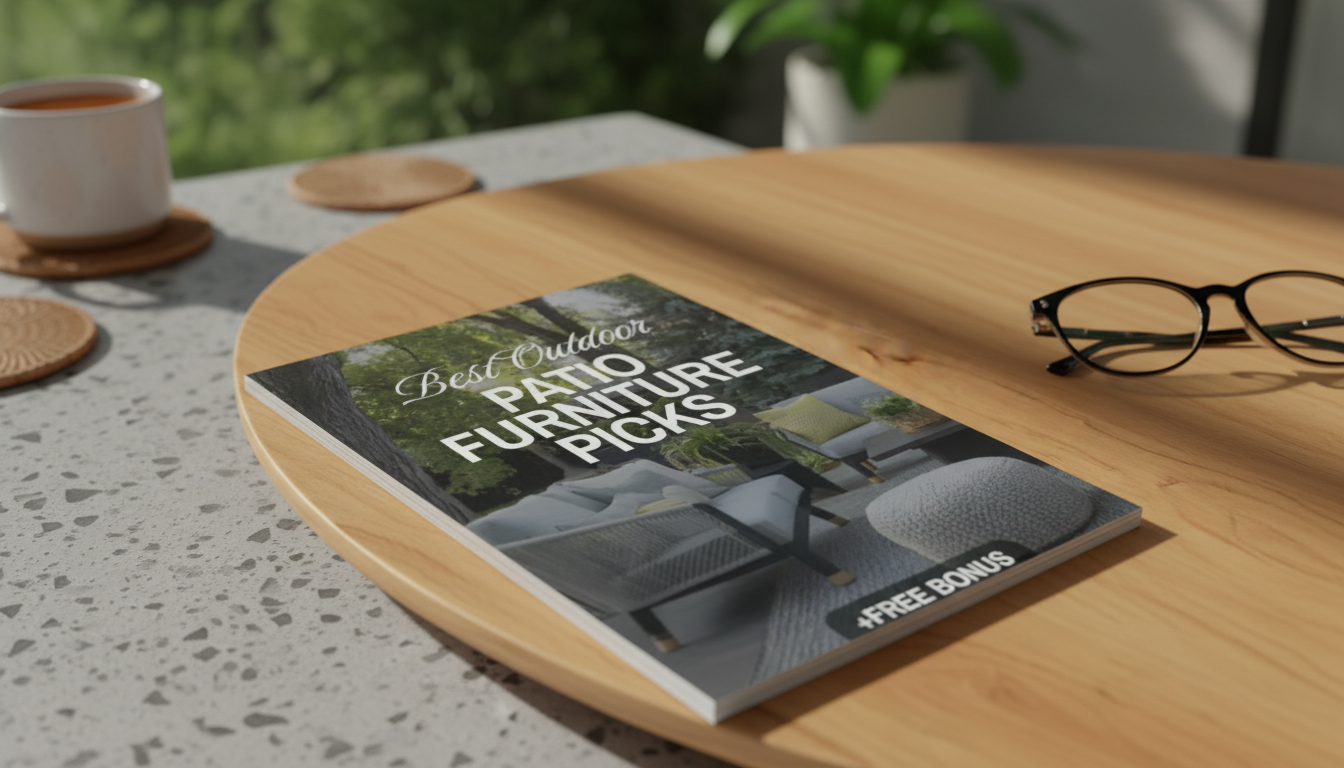
- Best Outdoor Patio Furniture Picks Guide (digital download) includes decision prompts for matching style to your home, choosing materials for local weather, and prioritizing comfort features.
- It supports side-by-side evaluation with a consistent checklist so sets can be compared without guesswork.
- It adds an AI-friendly planning approach to visualize layouts and narrow down the right footprint before purchasing.
- It works well for renters, new homeowners, and anyone building an outdoor setup in phases.
More in-stock digital guides (for planning and lifestyle organization): Concert Outfit Cheat Sheet: Your Ultimate Guide to What to Wear to a Concert and How to Tell if Your Cat is Stressed: The Ultimate Guide to Understanding and Reducing Cat Stress.
FAQ
What is the best month to buy outdoor patio furniture?
Spring typically has the biggest selection of new collections, while late summer through fall often brings the deepest discounts as retailers clear inventory. Online markdowns may start earlier than in-store clearance, and timing can shift based on local climate.
What type of furniture is best for outdoor dining?
Choose a stable table with an easy-clean top and upright, supportive chairs that keep guests comfortable through a full meal. For sizing, a 4-seat set suits compact patios, while 6–8 seats work better for frequent hosting; add shade planning (umbrella or pergola) to make dining usable during peak sun.
Recommended for you










Leave a comment